At its deepest level, it is an exploration of life, consciousness, responsibility and the relationship between the individual and the universe. Ancient Indian traditions developed the idea that human beings are not isolated entities, but part of a larger interconnected reality.
The concept of Dharma is central to this understanding. Dharma can be viewed as the principle of living in harmony with one's responsibilities, circumstances and the wider order of life. It is not simply a set of rules. It encourages a person to understand what is appropriate, responsible and beneficial in a particular situation.
Another important idea is Karma, the principle that actions have consequences. Karma is often misunderstood as simple reward and punishment. In Bharatheeya thought, it is more deeply connected with the relationship between action, intention and consequence. Every decision contributes to the direction of one's life and shapes future possibilities.
The concept of Atman introduces an even deeper question: Who are we beyond the temporary identity created by body, occupation, possessions and social position? Several Indian philosophical traditions explore the possibility that consciousness has a dimension deeper than the changing physical personality.
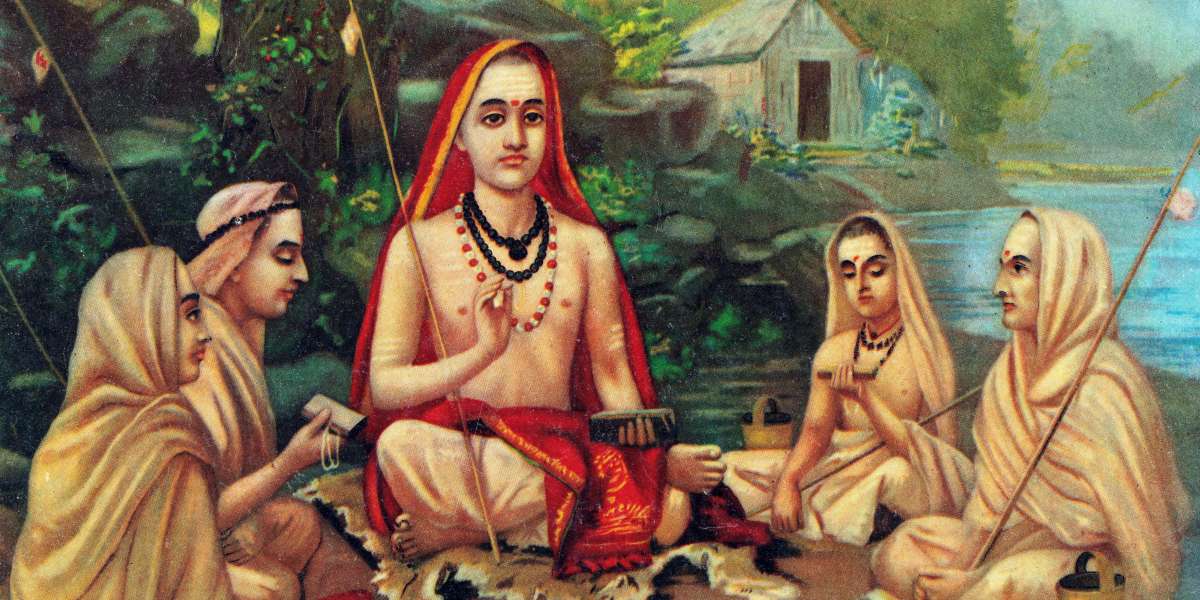
The Upanishadic tradition asks us to look inward rather than merely searching for answers outside ourselves. Meditation, self-observation and disciplined living become methods of understanding consciousness.
A remarkable feature of Bharatheeya philosophy is its willingness to accommodate different approaches. Knowledge, meditation, ethical action and devotion have all been presented as possible paths of inner development.
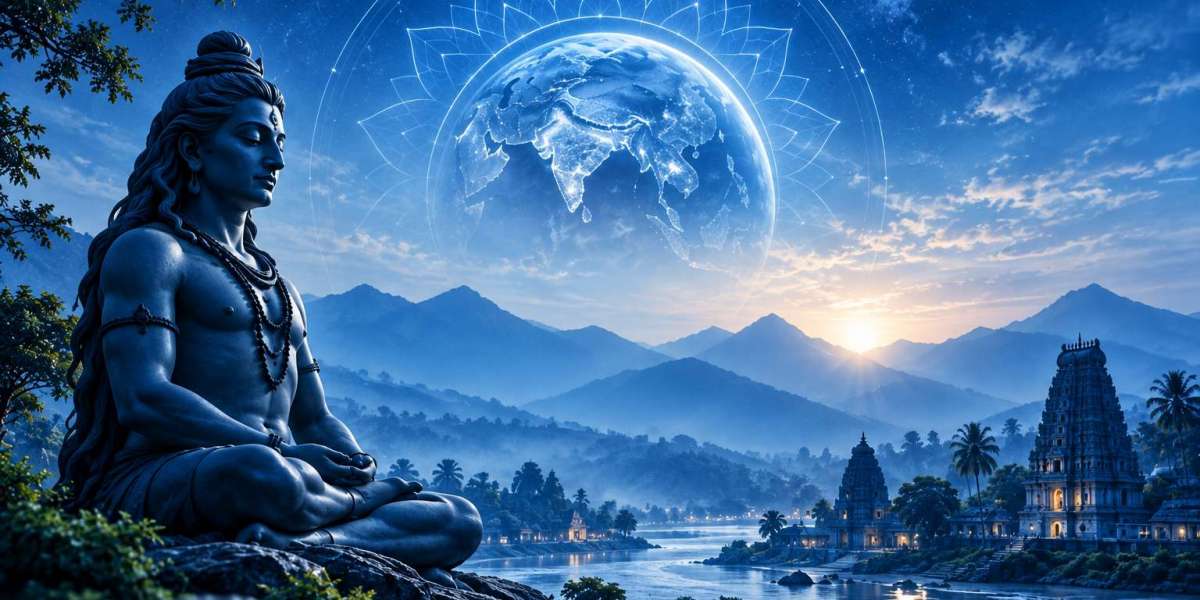
The larger message is one of interconnectedness. Human beings depend on nature, society and one another. When individual interest becomes completely separated from collective wellbeing, imbalance can arise.
In the modern world, this perspective has renewed relevance. Economic progress, scientific advancement and technological development are valuable, but they also raise questions about responsibility, sustainability and the quality of human life.
Bharatheeya thought therefore offers not merely an ancient philosophy, but a continuing invitation to examine how we live, why we act and how individual freedom can coexist with collective wellbeing.