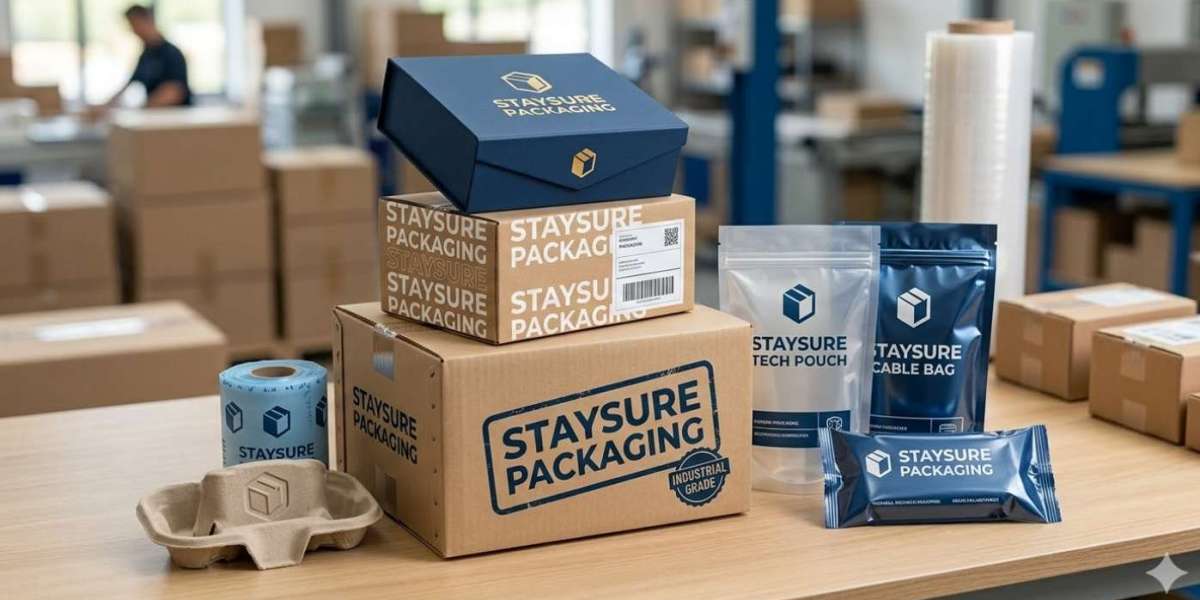
Packaging matters more than many brands admit. It protects goods, yes, but it also tells a story. A box that feels thoughtful can set a positive mood before the product is even opened. Consumers remember the first impression and it colors their entire perception of the brand. This piece dives into how custom boxes shape that moment and influence loyalty.
When products arrive, the unboxing moment is a chance to reinforce trust. A well-made box says the company cares about details. It signals quality and reliability, long before any features of the product are evaluated. Brands that treat packaging as part of the experience often see higher satisfaction and repeat buys.
Understanding Custom Boxes
What makes a box “custom” in ecommerce goes beyond a logo on the lid. It means tailoring dimensions, finishes, and inserts to fit a product perfectly. The result is a box that protects well and feels right in the hand. A thoughtfully sized box reduces wasted space and protects fragile items during transit.
Key materials and finishes shape perception. Kraft paper, high-gloss or matte coatings, and embossed logos each convey a different mood. The right choice balances weight, protection, and the brand story. A simple change in material can lift perceived value without ripping up the budget.
Balancing cost with value in custom packaging comes down to prioritizing impact. Start with a strong box structure that protects. Add a few premium touches like tissue paper or a branded insert if they move the needle on perception. Small, smart choices add up fast.
Unboxing as Brand Communication
First impressions hinge on color, typography, and logo placement. A concise color palette and legible type make the box feel deliberate. A well-placed logo reinforces brand recognition without shouting.
Messaging through packaging copy and inserts can guide the experience. A short welcome note, care instructions, or a thank-you line can turn a plain unboxing into a personal moment. Inserts that share brand values or usage tips keep the customer engaged beyond the initial purchase.
Consistency across product lines builds familiarity. A unified look across sizing, colorways, and packaging components creates a predictable, trustworthy brand presence. Customers learn what to expect and feel confident choosing the brand again.
Impact on Customer Perception and Loyalty
Perceived value grows with packaging that feels premium yet fits the product. A sturdy box and neat presentation can justify higher price points. The packaging becomes a signal of quality deeper than the product alone.
Unboxing shareability matters. People love posting clean, attractive packaging with a clear brand story. When a box looks good, it gets photographed and shared, generating social proof without extra effort from the brand.
Memorable packaging drives repeat purchases. A positive unboxing experience sticks in memory and makes customers willing to return for the next item. They associate the brand with delight, not just the product.
Practical Design Elements for an Enhanced Experience
Box structure and opening experience matter. A tidy flap system, satisfying tactile feedback, and logical order create a smooth reveal. The first feel sets the tone for the entire product experience.
Internal layout shapes how the product is perceived. Inserts, tissue, and protective padding should feel deliberate, not cluttered. A clean internal design communicates care and quality.
User-friendly features add real value. Resealability, easy recycling, and reuse potential extend the box’s life beyond one use. Simple closures and clear recycling icons reduce friction for customers who care about the environment.
Personal touches go a long way. A handwritten-looking thank-you note, a QR code for exclusive content, or a small sample can deepen engagement. These little details show brands notice their customers.
Sustainability and Ethics in Custom Boxes
Choose sustainable materials and responsible sourcing. Recycled fibers and responsibly sourced wood-based boards can support a premium feel without harming the planet. Transparent material choices help customers trust the brand.
End-of-life considerations matter. Easy-to-recycle designs and clear instructions reduce waste. Designs that invite reuse can turn the box into a keepsake, extending value beyond the product.
Balancing premium feel with eco-conscious choices keeps packaging authentic. A well-made box that respects the environment often feels more valuable to customers who care about sustainability.
Logistics and Operational Considerations
Stocking and lead times for custom packaging require planning. Start with a baseline quantity to cover typical demand and adjust as you learn. Build a pipeline with a reliable supplier to avoid stockouts during peak times.
Minimizing damage through design helps protect margins. Sturdier structures and smart cushioning reduce returns and replacements. A small upfront investment in protection saves bigger costs later.
Returns and reuse options can extend the lifecycle of packaging. Clear return policies that accommodate repackaging or refurbishing keep the customer experience smooth and the process efficient.
Case Studies: Brands Elevating Unboxing with Custom Boxes
A small business improved perception with cost-effective changes. They upgraded box rigidity and added a simple tissue wrap. The result was a more polished look without a big spend.
A mid-market brand achieved higher conversion through packaging by aligning colors with product pages and adding a branded insert that guided setup. The packaging became a practical onboarding touchpoint.
A DTC powerhouse used premium packaging to reinforce pricing. Thick boards, matte finishes, and a concise, elegant message built a sense of value that matched their higher price points. The unboxing became a differentiator that customers shared widely.
Measuring Success
Metrics to track unboxing impact include social sentiment, first impressions, and lift in brand mentions. Look for mentions of packaging in reviews and video unboxings. These signals show how the box contributes to perception.
A/B testing packaging variants helps compare ideas quickly. Try different inserts, colorways, and closing mechanisms to see what resonates. Use small, controlled tests to avoid overhauling production.
Feedback loops from customers and influencers provide real-world insights. Direct surveys after delivery and comments from creators reveal what lands and what doesn’t. Let authentic voices guide tweaks.
Implementation Roadmap
Steps to select materials and supplier partners start with a clear brief. Define dimensions, finishes, and budget constraints. Share samples and gather feedback from internal teams.
Timeline from concept to production varies. A simple refresh can take a few weeks; a full redesign may stretch across a couple of months. Build milestones and review points into the plan.
Budgeting and ROI projections should reflect both direct costs and the added value. Include protection savings, reduced returns, and potential lift in conversion when calculating returns.
Common Pitfalls and How to Avoid Them
Overdesigning for luxury beyond budget strains margins. Keep the core product story intact and avoid wasted embellishments. The best packaging feels right for the product and price point.
Incompatibilities with fulfillment workflows slow things down. Check dimensions, sealing methods, and labeling before full rollout. A smooth internal process keeps launches on track.
Ignoring sustainability goals hurts perception. Even small steps toward eco-conscious choices matter to customers. Make recycling and reuse easy for buyers.
Future Trends in Ecommerce Packaging
Customization at scale with on-demand printing is becoming practical. Brands can respond to trends quickly and keep stock lean. It lets packaging feel fresh without heavy inventories.
Interactive and tech-enabled packaging is on the rise. Simple codes, sensors, or augmented reality elements can create memorable experiences. These touches bridge online and offline engagement.
Transparent supply chains and green credentials gain visibility. Consumers want to know where materials come from and how products are made. Clear storytelling builds trust.
Conclusion
Custom boxes shape more than looks; they shape experiences. They can turn a plain delivery into a moment of delight and trust. Brands that treat packaging as a core part of the product story tend to see stronger loyalty and clearer growth.
For brands ready to invest, a measured, authentic packaging program pays off. Start with the essentials, test with real customers, and iterate based on what you learn. The unboxing moment is a chance to speak directly to your customers, and it should feel like you care.
FAQs
How do I know if my packaging is the right size for my product?
Measure the product with a little extra space for inserts and protective padding. Aim for a snug fit that minimizes movement but isn’t so tight it damages the item during transit.
What materials make packaging feel premium without breaking the budget?
Consider a sturdy board for the box, a matte or soft touch coating, and a simple branded insert. Small touches like tissue paper or a clean logo placement can boost perception without high costs.
Can packaging influence repeat purchases even if the product is similar to competitors?
Yes. A memorable unboxing can create emotional moments customers want to chase again. Consistency across lines helps customers recognize quality and reliability.
How should I handle sustainability in packaging for a mid-market brand?
Choose recyclable materials and label them clearly. Design the box for easy disassembly and recycling. If possible, offer a reuse idea or a small incentive for customers who recycle.
What metrics show packaging success beyond sales?
Look at social shares, unboxing videos, product reviews mentioning packaging, and customer surveys about perceived value. These signals reveal the broader impact on brand perception.