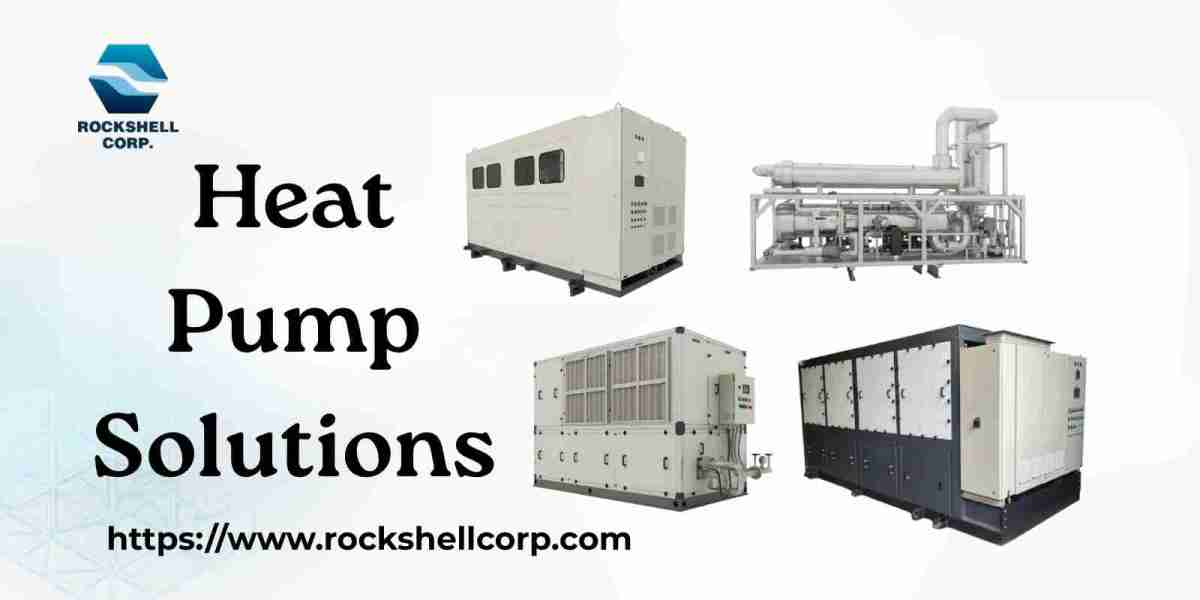
Industrial heat pumps are increasingly being used for process heating, waste heat recovery, drying, hot water generation, and other manufacturing applications. However, choosing the right system requires more than looking at its heating capacity. Factors such as efficiency, temperature range, heat source, operating stability, and energy consumption directly affect performance. A reliable Heat Pump Manufacturer India can help industries evaluate these parameters and select an industrial heat pump solution suited to their specific process requirements.
What Parameters Should a Heat Pump Manufacturer India Consider?
Every industrial application has different thermal requirements. Therefore, evaluating a heat pump should begin with understanding the process rather than focusing on a single specification. The following parameters provide a practical framework for assessing system performance.
1. Coefficient of Performance (COP)
The Coefficient of Performance, or COP, is one of the most important indicators of heat pump efficiency. It represents the amount of useful heat delivered compared with the electrical energy consumed by the system.
For example, a COP of 4 means that the system delivers approximately four units of useful heat for every unit of electricity consumed. However, COP should always be evaluated under the actual operating conditions because temperature lift, source temperature, and load can significantly influence efficiency.
Therefore, industries should compare COP values at the temperatures and operating conditions relevant to their processes rather than relying only on laboratory ratings.
2. Heating Capacity and Temperature Range
Heating capacity determines how much thermal energy a system can provide, while the temperature range indicates whether it can meet the process requirement.
Industrial applications may require hot water, hot air, or steam at different temperatures. High-temperature heat pumps are particularly useful for processes that require elevated temperatures. Depending on the system design, industrial units can support applications across food processing, chemical manufacturing, pharmaceuticals, textiles, and pulp and paper.
A suitable process heating system should provide the required output without excessive energy consumption or unstable operation.
3. Heat Source and Temperature Lift
The available heat source has a major impact on overall performance. Industrial heat pumps can recover energy from sources such as process water, exhaust air, cooling systems, wastewater, refrigeration equipment, and other waste heat streams.
Temperature lift—the difference between the heat source temperature and the required output temperature—is another critical factor. Generally, a lower temperature lift allows the system to operate more efficiently.
For this reason, a detailed assessment of available waste heat can help identify opportunities for waste heat recovery and improve the economics of the installation.
How Do Operating Conditions Affect Performance?
Heat pump performance can change with variations in production load, source temperature, ambient conditions, and output requirements. A system designed for continuous operation should therefore maintain stable performance across the expected operating range.
Control systems also play an important role. Automated monitoring can track temperatures, pressure, energy consumption, and other operating parameters. This allows operators to identify performance changes and make timely adjustments.
For example, Rockshell Corp develops industrial heat pump solutions, including high-temperature and waste heat recovery systems, designed for demanding manufacturing applications. Its solutions can integrate with existing industrial heating infrastructure and support applications where efficient thermal energy management is important.
What Other Factors Should Industries Evaluate?
Efficiency alone does not determine whether a heat pump is suitable for an industrial facility. Businesses should also consider system reliability, maintenance requirements, materials of construction, controls, integration, and lifecycle costs.
Facilities handling aggressive chemicals or demanding process conditions may require specialized materials and equipment configurations. Similarly, plants operating continuously need systems designed for dependable long-term performance.
Integration is another important consideration. A well-designed energy-efficient heating solution should work effectively with existing boilers, steam networks, cooling systems, or process equipment where required. This can simplify implementation and reduce the need for major infrastructure changes.
Finally, industries should assess the total cost of ownership rather than only the initial purchase price. Energy consumption, maintenance, downtime, expected operating life, and available waste heat all influence the long-term value of the system.
Conclusion
Evaluating industrial heat pump performance requires a comprehensive approach. COP, heating capacity, temperature range, temperature lift, heat source, operating stability, controls, integration, and lifecycle costs should all be considered before selecting a system.
An experienced Heat Pump Manufacturer India can assess these parameters against the actual process requirements and recommend an appropriate industrial heat pump, waste heat recovery system, or high-temperature heating solution. For manufacturers seeking better energy utilization and reliable process heating, working with an experienced provider such as Rockshell Corp can be a useful step toward improving industrial thermal efficiency.