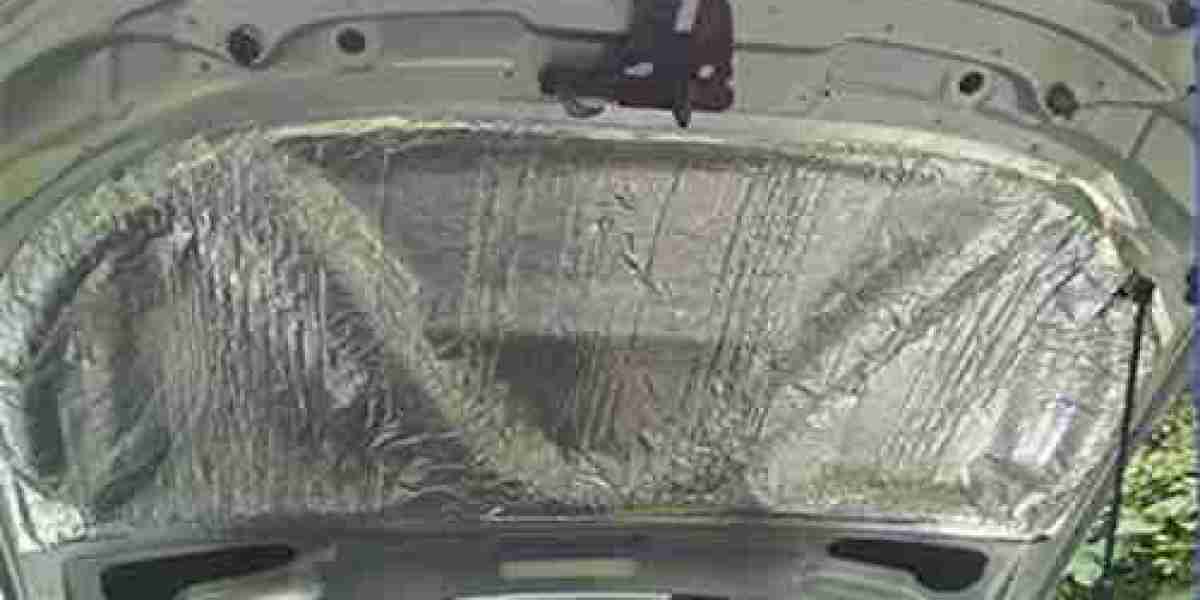
The engine compartment is naturally one of the busiest and loudest areas of a vehicle. Combustion, exhaust flow, cooling fans, belts, pumps, and other mechanical components generate sound and vibration every time the engine operates.
Some of that energy stays under the hood, but a portion can travel through the firewall and vehicle structure.
Engine mounts, metal panels, gaps, wiring passages, and connected components can all provide pathways into the cabin. The result may be noticeable engine hum, mechanical resonance, or harsh vibration during acceleration.
A carefully designed auto engine sound insulation strategy can help reduce these unwanted effects.
Start by Finding the Main Noise Path
Adding insulation without identifying the source can lead to wasted effort.
First, consider whether the dominant problem is airborne engine noise, panel vibration, exhaust-related sound, or a combination of several sources. Different problems require different approaches.
For example, damping material can help control vibration in suitable metal panels, while acoustic insulation can provide additional separation from airborne noise.
Thermal barriers serve another purpose by helping reduce heat transfer from high-temperature components.
Understanding the problem first makes the treatment more effective.
The Firewall Is a Critical Barrier
The firewall is one of the most important areas to inspect because it separates the engine bay from the passenger compartment.
Engine vibration can reach the firewall through the surrounding structure, while airborne sound can travel through openings and less-protected areas.
Treating suitable sections of the firewall can help reduce resonance and create a quieter cabin.
However, the firewall isn't an empty panel. It may contain wiring, HVAC components, pedals, brackets, ducts, and service openings. Any treatment must be installed without interfering with these systems.
Sound Control and Heat Control Are Different
Engine sound insulation is often discussed together with thermal protection, but the two functions should be considered separately.
Sound-deadening materials are generally used to reduce structural vibration and panel resonance. Acoustic insulation can help manage airborne sound. Thermal barriers are designed to limit radiant or conducted heat.
Using the right material in the right location is essential.
A material that performs well inside the cabin shouldn't automatically be placed next to a high-temperature exhaust component unless it is specifically rated for that application.
Heat Can Affect Cabin Comfort
Noise isn't the only concern around the engine compartment.
Exhaust manifolds, turbochargers, catalytic converters, and other components can generate substantial heat. Some of that thermal energy can transfer toward the firewall and surrounding structures.
Appropriate thermal protection can help reduce this transfer in areas where heat exposure is a concern.
This can be especially valuable in hot climates or vehicles with modified engines and exhaust systems that produce higher thermal loads.
Always follow the product's temperature rating and recommended installation location.
Reduce Vibration at the Source
Some engine noise becomes more noticeable because metal panels vibrate.
When a panel resonates, it can act as a secondary sound source and amplify certain frequencies inside the cabin.
Suitable damping material can help reduce that movement.
The same principle applies throughout the vehicle. Floors, doors, wheel wells, transmission tunnels, and cargo panels can all contribute to unwanted resonance.
Treating the most active areas can produce a more noticeable improvement than simply covering every available surface.
Keep Factory Protection Intact
Modern vehicles often include factory insulation, heat shields, acoustic barriers, and other protective components.
Before adding aftermarket materials, inspect the original system carefully.
If factory heat shielding is damaged or missing, replacing or repairing it may be more important than adding additional layers.
Aftermarket treatment should complement the vehicle's existing protection whenever possible rather than creating unnecessary interference with airflow, cooling, wiring, or maintenance access.
SoundSkins Global for a Quieter Interior
SoundSkins Global offers automotive sound-deadening solutions designed to help control road noise, panel vibration, and unwanted resonance.
These products can complement engine-area treatment as part of a broader cabin refinement project.
They can also be particularly useful in vehicles with upgraded audio systems. Powerful speakers and subwoofers can expose rattles and vibrations that were previously difficult to hear.
Reducing those unwanted sounds can help create a cleaner environment for enjoying music while also improving general driving comfort.
Installation Quality Makes a Difference
The material alone doesn't determine the result.
Surfaces should be clean and properly prepared before installation. Measurements should be taken carefully, and materials should be cut around important vehicle components rather than simply covering everything.
Keep wiring connections, drainage points, vents, pedals, moving components, and service areas accessible.
Near the engine, clearance from high-temperature components is particularly important. Only use products in locations where their specifications allow them to operate safely.
A Quieter Cabin Benefits Your Audio System
Reducing engine and road noise can make an aftermarket sound system easier to appreciate.
When the background is quieter, vocals and instruments become easier to hear without excessive volume. Lower structural vibration can also reduce the rattles created by powerful bass.
For car audio enthusiasts, engine-area sound treatment can therefore be part of a larger audio upgrade.
The goal is not to eliminate every mechanical sound but to reduce harsh and distracting noise that competes with the music.
Think Beyond the Engine Bay
Engine treatment can provide meaningful benefits, but the cabin has multiple noise pathways.
Road and tire noise can enter through the floor and wheel wells. Doors can transmit vibration, while roof and cargo-area panels may contribute resonance.
If engine noise is reduced but other major sources remain untreated, the overall improvement may be less noticeable.
A targeted vehicle-wide approach can help create a more balanced result.
Create a More Refined Driving Environment
A comfortable cabin isn't necessarily one that is completely silent.
A well-treated vehicle still allows the driver to hear important mechanical and environmental cues while reducing unnecessary harshness.
Lower engine noise can make conversations easier. Reduced vibration can make the interior feel more solid. Better thermal management can contribute to greater comfort during hot-weather driving.
These improvements can become particularly noticeable during long trips and highway driving.
A well-planned auto engine sound insulation project can help address several common sources of cabin discomfort, including mechanical noise, panel vibration, and unwanted heat transfer.
The most effective approach starts with identifying the primary noise pathways and then selecting materials according to their specific functions. Damping can control panel vibration, acoustic insulation can help reduce airborne sound, and appropriately rated thermal barriers can manage heat.
SoundSkins Global can complement this strategy with automotive sound-deadening products designed to reduce unwanted resonance and road noise.
By combining careful material selection, proper firewall treatment, thermal protection, and targeted cabin sound treatment, you can create a quieter and more refined driving environment while giving your upgraded audio system a better space to perform.