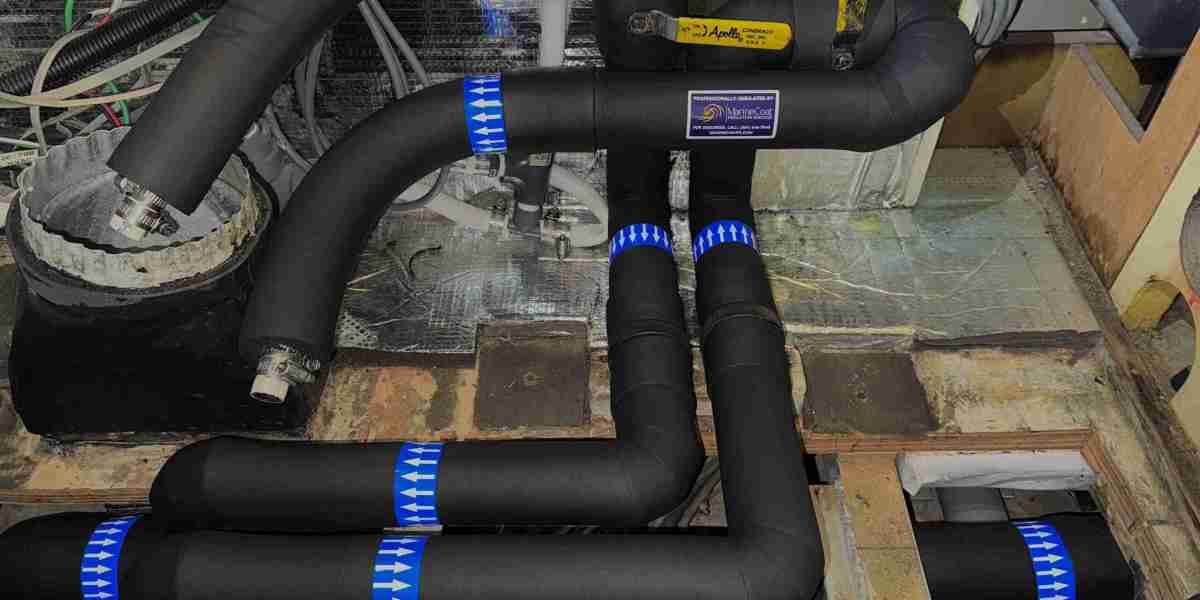
Acoustic management aboard modern marine vessels represents a critical engineering discipline rather than a superficial luxury. Operating a commercial ship, personal yacht, or working vessel exposes both structural components and human occupants to relentless acoustic energy generated by high-output engines, turbulent hydrodynamic flow, and mechanical propulsion systems. Implementing high-performance Marine Noise Insulation and targeted Marine soundproofing technologies serves as the definitive strategy to mitigate unwanted vibrational transmission, enhance onboard comfort, and preserve structural integrity across marine environments.
Understanding Maritime Acoustic Dynamics
Acoustic energy aboard ships and boats originates from two distinct physical vectors: airborne noise and structure-borne vibration. Addressing both mechanisms demands specialized material science designed specifically to endure hostile marine conditions, including saltwater corrosion, continuous humidity, and elevated thermal stress.
Airborne Sound Transmission
Airborne acoustic waves travel directly through the air, stemming from combustion processes, turbomachinery, auxiliary generators, and exhaust systems. Without dense acoustic barriers, airborne noise penetrates bulkheads, decks, and cabin partitions, severely compromising acoustic comfort within living quarters and navigational bridge spaces.
Structure-Borne Vibrations
Structure-borne energy transfers directly through the vessel's hull, frame, and mounting structures. High-torque machinery imparts mechanical oscillations directly into contiguous metal or composite paneling. As these structural elements flex, they function like massive acoustic diaphragms, radiating low-frequency reverberations throughout the entire vessel architecture.
Primary Categories of Marine Acoustic Materials
Effective acoustic remediation relies on combining distinct material classes, each engineered to address specific frequency ranges and energy transmission paths.
Thermal and Acoustic Damping Composites
Damping materials target structure-borne resonance. Synthesized from visco-elastic polymers, bitumen-free elastomers, or specialized foil-faced rubber formulations, these compounds adhere directly to metal bulkheads and composite hulls. They operate by converting mechanical kinetic energy into imperceptible heat, drastically curtailing panel resonance.
Sound Absorption Barriers and Foams
Acoustic absorption materials intercept airborne acoustic waves before they reflect off hard surfaces. Open-cell polyurethane foams, melamine formulations, and dense hydrophobic mineral wools trap sound waves within their micro-porous matrices. Specialized facings—such as reinforced aluminum foil or vapor-tight polymeric films—protect the absorbent core from fuel vapors, moisture, and oil splash.
Mass-Loaded Vinyl (MLV) and Decoupling Layering
To prevent sound transmission between compartments, engineers employ dense composite barriers. Mass-Loaded Vinyl combined with flexible foam or closed-cell polyethylene decoupling layers forms an impermeable barrier against broad-spectrum acoustic energy, reflecting airborne sound back toward its origin point.
Critical Application Zones Aboard Vessels
Tailoring sound mitigation strategies requires applying designated materials to high-impact acoustic zones across the vessel.
Propulsion and Engine Enclosures
The engine room represents the dominant source of interior acoustic pressure. Comprehensive acoustic lining along machinery space overheads and bulkheads dramatically reduces reverberation. Utilizing composite acoustic tiles featuring a heavy mass core sandwiched between hydrophobic absorption layers achieves high decibel attenuation while maintaining vital fire resistance standards.
Machinery Mounts and Flexible Couplings
Mitigating structure-borne energy at its origin necessitates isolation techniques. Installing anti-vibration mounts beneath diesel generators, HVAC compressors, and main propulsion units breaks the physical pathway through which mechanical oscillations travel into the hull framework.
Living Quarters and Navigational Decks
Crew quarters, passenger accommodations, and command decks require strict indoor acoustic criteria. Floating floor systems—constructed using elastomeric underlayments beneath marine plywood or specialized deck tiles—decouple interior living modules from underlying hull vibration, fostering a quiet, safe, and restful operational environment.
Marine Certification and Environmental Standards
Selecting insulation materials requires rigorous evaluation of regulatory compliance and environmental longevity.
Fire Safety and Smoke Toxicity Standards
Marine acoustic installations must strictly comply with international safety codes, such as the International Maritime Organization (IMO) Fire Test Procedures (FTP) Code. Materials applied within machinery spaces require low-flammability certifications, flame-spread resistance, and minimal toxic smoke emission profiles upon thermal decomposition.
Moisture Resistance and Mold Prevention
The continuous presence of high relative humidity demands materials with exceptional hydrophobic performance. Non-hygroscopic open-cell foams and water-repellent mineral fibers prevent liquid retention, mitigating the risk of microbial growth, thermal insulation decay, and hidden structural corrosion beneath insulation blankets.
Engineering Best Practices for Vessel Retrofitting and Design
Maximizing the effectiveness of acoustic treatments relies heavily on proper physical execution and systematic sealing protocols.
Acoustic Sealing: Sound behaves much like fluid; even tiny gaps around cable penetrations, ductwork, or access panels drastically compromise overall sound attenuation.
Decoupling Frameworks: Avoid rigid mechanical fasteners that bridge isolated panels directly to structural bulkheads, which creates acoustic bridges.
Thermal Management: Ensure sound-absorbing engine linings maintain sufficient clearance around hot exhaust manifolds to prevent localized thermal degradation.
By applying comprehensive Marine Noise Insulation measures and integrating modern Marine soundproofing composites, vessel designers and fleet managers can ensure operational efficiency, protect crew health, and deliver quiet, refined maritime transit.