Auto Engine Sound Insulation: Tame Under-Hood Noise, Manage Heat, and Create a Quieter Driving Environment
The engine compartment is naturally one of the busiest and loudest areas of a vehicle. Combustion, exhaust flow, cooling fans, belts, pumps, and other mechanical components generate sound and vibration every time the engine operates.
Some of that energy stays under the hood, but a portion can travel through the firewall and vehicle structure.
Engine mounts, metal panels, gaps, wiring passages, and connected components can all provide pathways into the cabin. The result may be noticeable engine hum, mechanical resonance, or harsh vibration during acceleration.
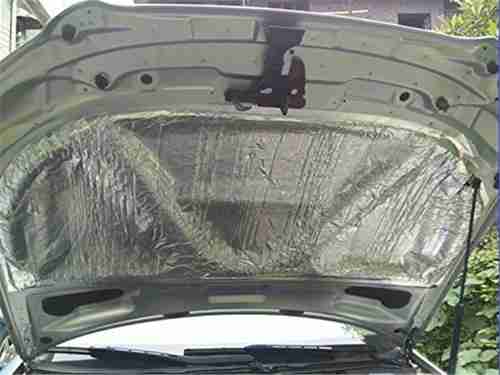
A carefully designed auto engine sound insulation https://soundskinsglobal.com/p....roducts/soundskins-h strategy can help reduce these unwanted effects.
Start by Finding the Main Noise Path
Adding insulation without identifying the source can lead to wasted effort.
First, consider whether the dominant problem is airborne engine noise, panel vibration, exhaust-related sound, or a combination of several sources. Different problems require different approaches.
For example, damping material can help control vibration in suitable metal panels, while acoustic insulation can provide additional separation from airborne noise.
Thermal barriers serve another purpose by helping reduce heat transfer from high-temperature components.
Understanding the problem first makes the treatment more effective.