Television has gradually moved beyond traditional broadcasting as internet connectivity becomes a normal part of everyday entertainment. Viewers now expect more flexibility in how they access programs, channels, sports, movies, and series. This change has created greater interest in internet based television, with services such as Viking IPTV offering another way for viewers to access digital entertainment through compatible devices.
From Traditional Broadcasting to Internet Television
Traditional television usually depends on established broadcast systems such as cable, satellite, or terrestrial signals. These methods remain widely used, but internet based television introduces a different way of delivering video content.
Instead of relying entirely on a dedicated broadcast connection, IPTV uses internet networks to deliver television programming. This allows television content to become part of the same connected environment people already use for websites, applications, video calls, and online services.
The result is a viewing experience that can be more closely connected to modern digital habits.
What Makes IPTV Different?
IPTV stands for Internet Protocol Television. The technology delivers television content through internet protocol networks rather than traditional broadcast methods.
This does not simply mean watching random online videos. IPTV is designed around the delivery of television programming over an internet connection, which can include live channels and other forms of digital content depending on the service.
For viewers, the biggest difference is how television fits into an internet connected environment.
The Growing Importance of Internet Connectivity
The development of faster and more stable internet connections has played an important role in the growth of internet based television.
As home broadband and modern wireless networks have improved, streaming high quality video has become more practical for many households. Viewers can connect televisions, streaming devices, smartphones, tablets, and computers to the internet and use them for different forms of entertainment.
However, the quality of an IPTV experience still depends partly on the viewer's own connection. Network stability, available bandwidth, WiFi coverage, and device performance can all affect playback.
IPTV and Connected Devices
One important part of the transition toward internet television is the variety of connected devices available today.
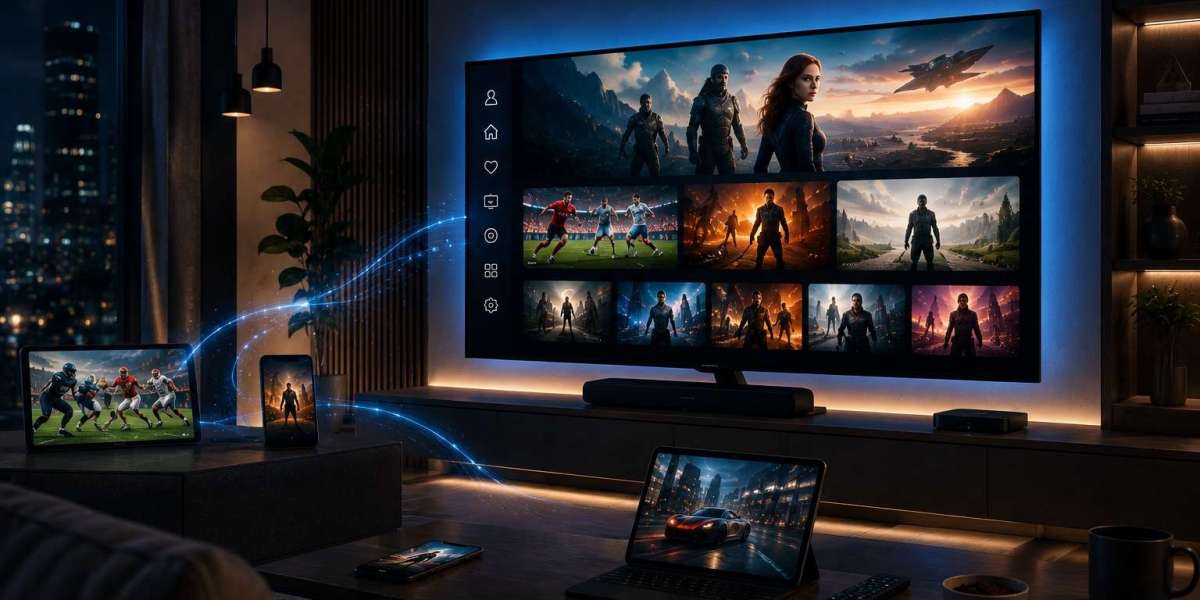
Television is no longer limited to a single screen in the living room. Depending on compatibility, viewers may use Smart TVs, streaming devices, computers, tablets, or smartphones.
This gives internet based television a level of flexibility that fits modern households. Someone can use a large screen for an evening viewing session while another supported device may be more convenient in a different situation.
More Flexible Viewing Habits
Internet based television also reflects the way people's schedules have changed. Viewers may not always be available at the same time every day.
Work, school, travel, family responsibilities, and personal activities can all affect when someone has time for entertainment.
IPTV can support this shift by allowing television access through internet connected devices. Instead of treating television as something tied to one fixed location, viewers can build their viewing habits around the devices and schedules that suit them.
Live Television Still Matters
The growth of streaming does not mean that viewers have stopped caring about live television. Live sports, news, events, and scheduled programming continue to be important forms of entertainment.
IPTV combines the concept of live television with internet delivery. This allows live programming to be accessed through a connected environment while maintaining the immediacy that viewers expect from live broadcasts.
For sports fans in particular, live viewing remains an important reason to use television services.
A Broader Entertainment Environment
Internet based television can bring different types of entertainment together within a connected setup. Depending on the service, viewers may have access to live channels, movies, series, sports, and international programming.
This broader environment reflects the way people now consume digital media. Instead of switching between completely separate technologies, users can access multiple forms of entertainment through internet connected devices.
Viking IPTV fits into this wider development by providing streaming options for viewers looking for live television and digital entertainment through compatible devices.
The Role of Streaming Technology
Behind internet based television is a combination of technologies that work together to deliver video efficiently. Video compression helps reduce the amount of data required, while streaming systems manage how content is delivered to a viewer.
Modern networks can also adapt to changing conditions. When supported by the service and application, streaming technology can adjust video delivery according to available network performance.
These developments help make internet television more practical for everyday use, although no technology can completely eliminate problems caused by poor internet connections or unsuitable equipment.
Why Device Compatibility Matters
The transition to internet television has also made device compatibility more important.
Before choosing an IPTV service, viewers should check whether their preferred device and operating system are supported. They should also consider whether the application is easy to install and navigate.
A technically capable service may still be inconvenient if it does not work properly with the equipment already available at home.
The Importance of a Good Home Network
Internet television does not depend only on the IPTV provider. The viewer's home network plays a major role as well.
A strong setup may involve a suitable router, reliable WiFi coverage, adequate internet speed, and limited network congestion. Using an Ethernet connection can also be useful for devices that remain in a fixed location.
Understanding these factors can help viewers identify whether a streaming issue is related to their home network, device, or service.
What the Future Could Look Like
The shift toward internet based television is part of a larger movement toward connected entertainment. As households continue adopting Smart TVs and internet connected devices, television can become increasingly integrated with other digital services.
Viewers are also likely to continue looking for flexibility, simple interfaces, broad content choices, and convenient access across devices.
Rather than completely replacing every traditional form of television overnight, internet based television is becoming another important part of the evolving media environment.
Frequently Asked Questions
Q1. What is internet based television?
Ans: Internet based television delivers television content through internet networks instead of relying solely on traditional broadcast systems.
Q2. How does IPTV support internet television?
Ans: IPTV uses internet protocol networks to deliver television programming, including live content and other entertainment depending on the service.
Q3. Does IPTV require a fast internet connection?
Ans: A stable and suitable internet connection is important for smooth streaming. Actual requirements can vary depending on video quality and the service being used.
Q4. Can IPTV be used on different devices?
Ans: Device support depends on the specific service and application. Compatible options may include Smart TVs, streaming devices, computers, tablets, and smartphones.
Q5. Is live TV still relevant with internet streaming?
Ans: Yes. Live sports, news, special events, and scheduled programming continue to attract viewers, while IPTV provides an internet based method of accessing such content.
Q6. What can affect IPTV streaming quality?
Ans: Internet stability, bandwidth, WiFi performance, router capability, device performance, and service related factors can all affect the viewing experience.
Final Thoughts
The movement toward internet based television reflects a broader change in how people use technology for entertainment. IPTV contributes to this transition by bringing television delivery into an internet connected environment where viewers can use compatible devices and adapt their viewing habits to modern lifestyles.
As connectivity, streaming technology, and connected devices continue to develop, internet based television is likely to remain an important part of the changing television landscape.